
technologies do flex PCB manufacturers use
PCBs play a significant role in the operation of electronic devices. They connect the various components that make up a system and ensure proper power flow and signal transfer. As the size of electronics continues to shrink, innovations such as flex PCBs offer significant advantages for designers. The resulting products can be lightweight, durable, and easy to assemble, all while maintaining high performance. Here are some of the key technologies that flex PCB manufacturers use.
The first step in constructing a flex pcb manufacturer is selecting the right base material. The underlying substrate for a flex circuit is often a polyimide or polyester film. The choice of material is based on the requirements of an application, with thickness options related to the number of layers. In addition, a flex circuit may need to be reinforced by stiffeners. The stiffeners are made of a rigid material, such as FR4, and laminated to the flex circuit. These components help with the mechanical stability of the circuit during bending and soldering operations.
Next, the flex circuit is designed using software, with special attention to the flex areas of the design to minimize stress. Then, photolithography is used to apply a pattern of light to the circuit board. This process exposes areas of the underlying copper foil to chemicals that etch away the unwanted copper, leaving behind the designed circuit traces. Then, holes (vias) are drilled through the copper-plated substrate, connecting layers in multilayer flex circuits. Finally, the flex circuit is coated with a coverlay, which protects the exposed traces from damage during handling and processing.
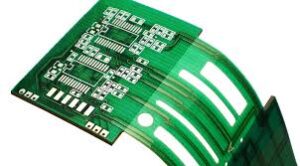
What technologies do flex PCB manufacturers use?
Some of the most important factors when selecting a flex pcb manufacturer are the quality standards, certifications, and production capabilities. In addition, the manufacturer should be able to provide short lead times and a competitive price.
Whether you are designing a single-sided, double-sided, or multi-layer flex circuit, the choice of materials is important for the durability and reliability of your product. You should also consider the cost of production and shipping.
Flexible circuit technology is well suited for the Internet of Things ecosystem. Its compact design makes it ideal for wearable and portable devices, medical equipment, and automotive applications. It can even be incorporated into drones and aircraft.
There are many benefits of choosing a flex pcb manufacturer that uses cutting-edge technologies. Laser direct imaging enhances trace patterning accuracy, making it possible to create complex designs on a smaller footprint. Innovations like conductive inks and roll-to-roll lamination streamline the production process, increasing speed and efficiency.
Choosing the right flex pcb manufacturer can help you save time and money on your project. Look for a company that offers a wide range of services, from designing the circuit to shipping it to your customer. You should also consider the company’s reputation, customer support, and location. Also, make sure the company is licensed and insured. Finally, it should have a robust manufacturing process and quality assurance program. By doing so, you can be confident that your flex circuit will perform as intended.