
swelling occurs after male breast reduction
Swelling is a normal and expected part of the healing process after surgery, and many patients naturally ask, “How much swelling occurs after male breast reduction?” Understanding what is typical can ease anxiety and help set realistic expectations. While the procedure is designed to create a flatter and firmer chest contour, the immediate post-operative appearance may not reflect the final result due to temporary inflammation and fluid retention. Knowing how swelling progresses after male breast reduction allows patients to approach recovery with patience and confidence.
Immediately after male breast reduction, the chest will usually appear swollen and slightly firm. This reaction is the body’s natural response to surgical trauma, as tissues begin the healing process. Swelling may be accompanied by mild bruising, tightness, or a feeling of pressure in the chest area. The degree of swelling varies depending on factors such as the surgical technique used, the amount of tissue removed, and the individual’s healing response. Patients who undergo both liposuction and glandular tissue excision may notice slightly more swelling than those who have liposuction alone.
During the first week after male breast reduction, swelling is typically at its most noticeable. The chest may look fuller than expected, and some asymmetry can temporarily occur as each side heals at a slightly different pace. This is completely normal and does not indicate a problem. Compression garments are usually provided to help manage this phase. These garments apply gentle pressure to the chest, reducing fluid buildup and supporting the newly sculpted contours.
By the second and third weeks following male breast reduction, a significant portion of the initial swelling usually begins to subside. Patients often start to see early improvements in chest shape during this period. However, it is important to remember that deeper internal swelling can persist even when the surface appears improved. The body continues to repair tissues beneath the skin for several weeks.
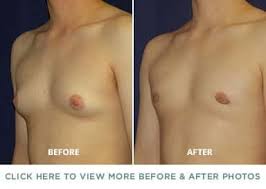
How much swelling occurs after male breast reduction?
Most visible swelling after male breast reduction resolves within four to six weeks, but subtle swelling can last longer. In some cases, minor residual firmness or puffiness may take several months to completely disappear. This is especially true in areas where glandular tissue was removed, as the body needs time to adjust and settle into its new contour. Final results are typically appreciated around three to six months after surgery, once healing is fully complete.
Several factors can influence how much swelling occurs after male breast reduction. Patients who follow post-operative instructions carefully often experience smoother recovery. Wearing the compression garment as directed, avoiding strenuous upper-body activity, and keeping the upper body slightly elevated while sleeping can all help minimize swelling. Staying hydrated and maintaining a balanced diet low in sodium may also reduce fluid retention during the healing process.
Physical activity plays an important role in managing swelling. Light walking soon after male breast reduction is encouraged because it promotes healthy circulation and reduces the risk of complications. However, intense exercise, heavy lifting, or chest-focused workouts should be avoided for several weeks. Overexertion can increase inflammation and prolong swelling.
It is also important to understand the difference between normal swelling and signs of a complication. While mild to moderate swelling is expected after male breast reduction, sudden or severe swelling, especially if accompanied by sharp pain or rapid enlargement of one side of the chest, should be reported to a surgeon immediately. Such symptoms could indicate fluid accumulation or bleeding that requires medical attention.
Overall, the amount of swelling after male breast reduction is manageable and temporary for most patients. Although the initial weeks require patience, gradual improvement becomes noticeable as healing progresses. By understanding the normal timeline and following professional guidance, patients can feel reassured that swelling is simply part of the journey toward a flatter, more masculine chest contour.