
environmental considerations in Pcb assembly services
Environmental considerations in PCB assembly services are becoming increasingly important in today’s world where sustainability and eco-friendliness are paramount. PCB assembly, a crucial step in electronic manufacturing, has significant environmental implications throughout its lifecycle, from raw material extraction to end-of-life disposal. As such, adopting environmentally conscious practices in PCB assembly services is essential for minimizing ecological impact and promoting a more sustainable future.
One of the primary environmental considerations in PCB assembly services is the selection of materials. The choice of materials used in PCBs and soldering processes can have a significant impact on the environment. Opting for eco-friendly materials, such as lead-free solder and recyclable substrates, can help reduce the environmental footprint of PCB assembly. Lead-free solder, for example, eliminates the use of toxic lead, which is harmful to both human health and the environment, while recyclable substrates minimize waste and resource depletion.
Furthermore, the manufacturing process itself can have environmental implications, particularly in terms of energy consumption and emissions. pcb assembly services that prioritize energy efficiency and utilize renewable energy sources can significantly reduce their carbon footprint. Additionally, implementing measures to minimize emissions of volatile organic compounds (VOCs) and other pollutants can help mitigate air and water pollution, contributing to a cleaner environment and healthier communities.
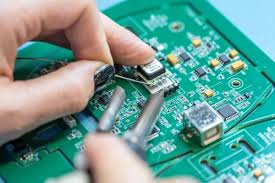
What are the environmental considerations in Pcb assembly services?
Waste management is another critical aspect of environmental considerations in PCB assembly services. The production of PCBs generates various types of waste, including solder dross, scrap PCBs, and chemical residues. Proper waste management practices, such as recycling, reusing, and responsibly disposing of waste materials, are essential for minimizing environmental impact and conserving resources. Recycling solder dross, for example, not only reduces waste but also helps recover valuable metals for reuse, thus reducing the need for virgin materials and decreasing energy consumption.
In addition to waste management, water conservation is also an important environmental consideration in PCB assembly services. The manufacturing process often requires the use of water for cleaning, rinsing, and cooling purposes. Implementing water-saving technologies and practices, such as closed-loop water systems and efficient water reuse systems, can help minimize water consumption and reduce the strain on freshwater resources. By conserving water and reducing wastewater discharges, PCB assembly services can contribute to the preservation of aquatic ecosystems and the protection of water quality.
Furthermore, transportation and logistics play a role in the environmental impact of PCB assembly services. Minimizing transportation distances and optimizing supply chain logistics can help reduce fuel consumption, greenhouse gas emissions, and overall environmental footprint. Adopting practices such as just-in-time manufacturing and consolidating shipments can help streamline operations, reduce transportation-related emissions, and lower costs while improving efficiency and responsiveness to customer demands.
Lastly, end-of-life considerations are essential in evaluating the environmental sustainability of PCB assembly services. As electronic devices reach the end of their lifecycle, proper disposal and recycling of PCBs are crucial for preventing environmental pollution and conserving resources. Implementing take-back programs and partnering with certified e-waste recyclers can help ensure responsible disposal and recycling of PCBs, promoting a circular economy where materials are reused, remanufactured, or recycled rather than disposed of in landfills or incinerated.
In conclusion, environmental considerations are increasingly important in PCB assembly services, with a focus on materials selection, energy efficiency, waste management, water conservation, transportation logistics, and end-of-life disposal. By adopting environmentally conscious practices throughout the PCB assembly process, manufacturers can minimize their environmental impact, conserve resources, and contribute to a more sustainable and environmentally friendly electronics industry.