
What Are Microvias in Flex PCB Fabrication?
Microvias play a crucial role in the design and manufacturing of flex PCBs (Printed Circuit Boards), especially when it comes to meeting the growing demands of compact electronic devices. As technology advances, the need for smaller, more efficient, and high-performance PCBs has become a necessity, driving innovations in flex PCB fabrication.
Understanding Microvias
Microvias are tiny holes or vias that are drilled into a PCB to connect different layers of the circuit board. These vias are typically much smaller than traditional vias, with a diameter that is generally less than 150 microns. In the context of flex pcb fabrication, microvias are used to facilitate electrical connections between layers of the flexible circuit, enabling the design of high-density and multi-layered boards.
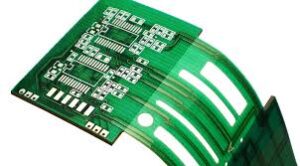
Flex PCBs are different from rigid PCBs because they are designed to be bendable, lightweight, and space-efficient, making them ideal for applications in wearables, medical devices, and aerospace technology. To achieve the desired complexity and size reduction, flex PCB fabrication often incorporates microvias.
Why Are Microvias Important in Flex PCB Fabrication?
Microvias offer several benefits that are essential in today’s electronics manufacturing landscape. One of the main advantages of using microvias in flex PCB fabrication is their ability to save space. As the size of electronics continues to shrink, manufacturers must find ways to fit more functionality into smaller spaces. Microvias allow designers to achieve this by reducing the amount of board space needed for vias, leaving more room for other essential components.
Another advantage of microvias is their ability to improve signal integrity. Since microvias are much shorter than traditional vias, they reduce the amount of time it takes for signals to travel through the PCB, helping to prevent signal degradation and ensuring better overall performance. This is particularly important for high-speed applications, such as those in telecommunications, where maintaining signal integrity is critical.
Types of Microvias in Flex PCB Fabrication
Microvias can be classified into two main types: blind microvias and buried microvias.
Blind Microvias: These are vias that connect the outermost layer of a PCB to an inner layer but do not pass all the way through the board. They are typically used in multi-layer flex PCBs to create more space for other components without compromising the board’s performance.
Buried Microvias: These vias are located entirely within the inner layers of a PCB and do not appear on the outer layers. They are ideal for designs requiring a high layer count and are commonly found in advanced flex PCB fabrication techniques.
Microvia Technologies and Challenges in Flex PCB Fabrication
The fabrication of microvias involves specialized drilling and plating processes. Techniques like laser drilling are often used to create these small holes, which demand high precision. Moreover, the materials used in flex PCB fabrication must also be chosen carefully, as they need to withstand the stresses of bending and flexing while maintaining the integrity of the microvia connections.
Despite their advantages, microvias also pose certain challenges. The small size of these vias can make them more prone to defects, such as voids or incomplete plating, which can affect the overall performance of the flex PCB. To mitigate these risks, manufacturers often perform extensive quality control and testing, ensuring that the microvias are properly formed and functional.
Conclusion
Microvias are a critical component in the design and fabrication of modern flex PCBs. They allow for the development of compact, high-density, and high-performance circuit boards that are essential for today’s miniaturized electronic devices. As technology continues to evolve, the role of microvias in flex PCB fabrication will only become more important, enabling manufacturers to meet the demands for smaller, faster, and more reliable electronics. By understanding the benefits and challenges associated with microvias, manufacturers can optimize their flex PCB designs for improved performance and reliability.