
Rigid Flex Circuits for Space
Rigid flex circuits are used in many electronics applications, from medical devices and automotive technology to consumer electronics and wearable devices. They are also useful in space and aerospace applications because of their ability to save space and weight, as well as withstand harsh conditions. These flexible PCBs are made by laminating together rigid and flexible substrates, which provides the flexibility of a flex circuit with the stability and reliability of a rigid board.
They typically use rigid sections made of FR-4, PTFE (polyimide) or specialized Rogers laminates and flexible sections made of polyimide or Kapton. Conductors are laid on both substrates and then covered with an adhesive layer and a coverlay. Stiffeners may also be incorporated for added strength and support. These rigid and flexible layers are then connected to each other using a series of conductive lines called tracks.
Because of their high-level design complexity, rigid flex circuits require a great deal of expertise and collaboration between the PCB designer and fabrication team to get them right. They must be able to withstand the stresses of repeated bending and folding without damage, while maintaining electrical performance across the flex-to-rigid transitions. These challenges make it important to have a knowledgeable rigid-flex PCB manufacturer by your side throughout the entire project.
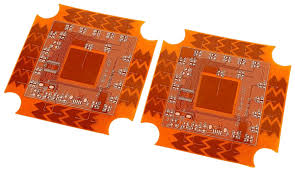
Rigid Flex Circuits for Space and Aerospace Applications
Incorporating rigid flex circuits into your next space or aerospace application can improve its durability, reduce cost and weight, and speed up production and assembly. With this in mind, it is critical to choose a reliable domestic electronic contract manufacturer with suitable engineering resources and capabilities to see your project through from the beginning stages of design to the final manufacturing process.
An experienced manufacturer will ensure that your rigid-flex PCBs are fabricated and assembled according to strict quality standards. This can help you avoid the costly mistakes that could be caused by low-quality or substandard parts, which will have a negative impact on your product’s performance, safety, and overall reliability.
For example, if your rigid-flex PCB is damaged during the assembly or testing process due to a poor quality component or connection, it can lead to dangerous malfunctions that could cause equipment failure or even injury to users and personnel. In addition, a defective or unreliable rigid-flex PCB can result in lost revenue and reputation for your business and brand. This can also lead to regulatory and legal issues, as well as increased downtime, maintenance costs, and repair expenses. To protect your business and your customers, be sure to only work with a high-quality and reputable rigid-flex PCB manufacturer like All Flex Solutions. Contact us today to connect with a member of our expert team and request a quote for your next rigid-flex PCB project. We look forward to helping you create a successful and innovative product!