
manage component obsolescence in Rigid flex pcb
Managing component obsolescence is a critical challenge in the design and manufacturing of rigid flex PCBs, where long product lifecycles and complex assembly processes amplify the risk of encountering obsolete components. Component obsolescence refers to the situation where components used in electronic assemblies become unavailable or obsolete due to factors such as discontinuation by manufacturers, changes in technology, or market demand shifts. Effectively managing component obsolescence is essential to ensure the continued availability, reliability, and performance of rigid flex PCB assemblies throughout their operational lifetimes.
One of the key strategies for managing component obsolescence in rigid flex PCBs is proactive planning and lifecycle management. This involves identifying critical components early in the design phase, assessing their availability and lifecycle status, and developing strategies to mitigate the risk of obsolescence. By maintaining close relationships with component suppliers, monitoring industry trends, and leveraging tools such as component databases and obsolescence forecasting software, designers and manufacturers can anticipate potential obsolescence issues and proactively address them before they impact production.
Moreover, designing for flexibility and scalability is essential for managing component obsolescence in rigid flex pcb. This includes designing modular PCB assemblies with interchangeable components and standardized interfaces, allowing for easy component replacement or upgrade as needed. By adopting a modular approach to design, manufacturers can minimize the impact of component obsolescence on the overall product lifecycle and extend the service life of rigid flex PCB assemblies without significant redesign or retooling.
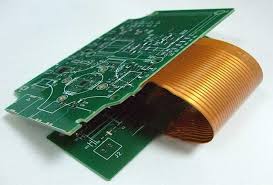
How do you manage component obsolescence in Rigid flex pcb?
Additionally, maintaining a strategic inventory of critical components and implementing buffer stock policies can help mitigate the risk of component obsolescence in rigid flex PCB assemblies. By stocking sufficient quantities of key components and monitoring inventory levels closely, manufacturers can ensure continuity of production and minimize disruptions caused by component shortages or obsolescence events. Strategic inventory management also allows for rapid response to unexpected obsolescence issues, enabling timely sourcing of alternative components or redesigning of affected PCB assemblies.
Furthermore, collaborating closely with component suppliers and contract manufacturers is essential for managing component obsolescence in rigid flex PCBs. By establishing long-term partnerships and maintaining open lines of communication, manufacturers can access valuable insights into supplier roadmaps, product lifecycle plans, and upcoming technology trends. This enables proactive identification of potential obsolescence risks and facilitates early engagement with suppliers to develop mitigation strategies such as last-time buy agreements, alternative sourcing options, or technology migration paths.
Moreover, leveraging technology and innovation can help mitigate the impact of component obsolescence on rigid flex PCB assemblies. This includes adopting alternative manufacturing processes, materials, or component technologies that offer improved performance, reliability, and availability compared to legacy components. By embracing innovation and staying abreast of emerging technologies, manufacturers can future-proof their rigid flex PCB designs and minimize reliance on components that are prone to obsolescence.
In conclusion, managing component obsolescence is a complex and ongoing challenge in the design and manufacturing of rigid flex PCBs. By adopting a proactive approach to lifecycle management, designing for flexibility and scalability, maintaining strategic inventories, fostering close collaborations with suppliers, and embracing technology and innovation, manufacturers can effectively mitigate the risks associated with component obsolescence and ensure the continued availability, reliability, and performance of rigid flex PCB assemblies throughout their operational lifetimes.