
contract electronic assemblys manufactured
Contract electronic assemblies are manufactured through a detailed, multi-step process that transforms design concepts into functional electronic devices. This process involves collaboration between the original equipment manufacturer (OEM) and the contract manufacturer (CM), utilizing advanced technology, skilled labor, and rigorous quality control measures to ensure the production of high-quality electronics. Here’s a closer look at how contract electronic assembly are manufactured.
The first step in the manufacturing process is design and planning. The OEM provides the CM with detailed design specifications, including schematics, bills of materials (BOM), and other relevant documentation. This phase involves thorough discussions to ensure that the CM fully understands the design requirements and production goals. The CM may also offer design for manufacturability (DFM) feedback, suggesting adjustments to optimize the design for efficient production and cost-effectiveness.
Once the design is finalized, the next step is procurement of raw materials and components. The CM leverages its supply chain network to source the necessary components, which may include resistors, capacitors, integrated circuits, connectors, and other electronic parts. Ensuring the quality and reliability of these components is crucial, so the CM often works with trusted suppliers and performs incoming quality inspections to verify that the components meet specified standards.
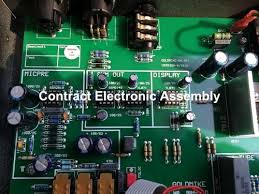
How are contract electronic assemblys manufactured?
With the components on hand, the assembly process begins. This typically involves several stages, starting with the preparation of printed circuit boards (PCBs). PCBs serve as the foundation for electronic assemblies, providing the physical structure to which components are mounted. The PCB preparation includes cleaning, application of solder paste using a stencil, and placement of components. This step often employs surface-mount technology (SMT), where automated machines place components onto the PCB with high precision. For components that require more robust mechanical connections, through-hole technology may be used, involving the insertion of component leads through pre-drilled holes in the PCB.
After component placement, the PCBs undergo soldering to secure the components in place. For SMT, this typically involves reflow soldering, where the entire PCB is heated to melt the solder paste, creating electrical and mechanical connections between the components and the board. For through-hole components, wave soldering or selective soldering methods may be used. These processes ensure that all connections are solid and reliable.
Following soldering, the assemblies undergo a series of inspections and tests to verify their quality and functionality. Automated optical inspection (AOI) systems are used to check for soldering defects, component misplacements, and other visual anomalies. In-circuit testing (ICT) checks the electrical performance of the assembled PCBs, ensuring that each component functions correctly and that there are no shorts or open circuits. Functional testing simulates the final product’s operating conditions to verify that the assembly performs as intended.
Once the assemblies pass these tests, they proceed to final assembly and integration. This stage may involve adding additional components, enclosures, connectors, or other hardware to complete the product. The fully assembled units undergo final testing to ensure they meet all performance and quality standards before they are packaged for shipment.
Throughout the manufacturing process, quality control is paramount. Contract manufacturers adhere to strict quality management systems, often certified to international standards such as ISO 9001 or ISO/TS 16949. These systems ensure consistent production quality and help identify and address any issues promptly.
In summary, contract electronic assemblies are manufactured through a meticulous process that includes design collaboration, component procurement, PCB assembly, soldering, inspection, testing, and final integration. Each step is carefully managed to ensure that the final product meets the OEM’s specifications and quality standards. This comprehensive approach enables contract manufacturers to produce reliable, high-quality electronic assemblies efficiently and cost-effectively.