
flexible PCBs be manufactured
Embedded heaters in flex PCBs allow the device to operate at a lower temperature range than it would otherwise be able to. They also make the board more resistant to mechanical stress, thereby increasing the lifespan of the product. A flex PCB with embedded heaters is an excellent option for high-performance electronic devices that are subject to constant use or harsh environments.
The ability of a flexible PCB to withstand repeated bending makes it ideal for wearable devices like smartphones, laptops, music keyboards, and toys. Its durability, low price, and light weight also make it a popular choice for automotive electronics that include a host of sensors and controls. The flexibility of a flex circuit also allows for the integration of complex electronics in tight spaces and for the creation of slim, compact products.
flexible pcb manufacture can be made with a variety of materials and construction methods. Their characteristic properties vary depending on the design requirements of each application. Flex circuits are designed to withstand repeated bending cycles and are more resistant to vibrations and temperature extremes than rigid PCBs. They can even take on unconventional shapes, making them ideally suited for aerospace applications like spacecraft.
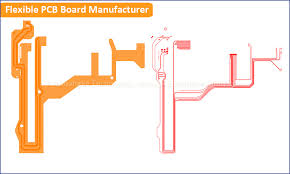
Can flexible PCBs be manufactured with embedded heaters?
There are a number of considerations to take into account when choosing the best manufacturer for your flexible PCB project. First, be sure to choose one that has the equipment and skilled technicians to handle the fabrication process. Also, be sure to ask about their quality control measures and if they adhere to industry standards. Finally, it is important to work with a company that offers reliable warehousing and storage of finished goods.
Flexible Printed Circuit Boards (FPCB) are constructed with flexible dielectric film, such as polyester (Mylar), polyimide, or fluoropolymer. These are laminated to a layer of copper foil that provides the conductor path. The circuit patterns are then etched into the foil. A solder mask protects the conductive pattern and prevents it from being oxidized during the assembly process. The final product is inspected to ensure it meets the requirements of the customer’s design.
In addition to their flexural endurance, a key feature of flexible PCBs is their excellent RF performance. They are fabricated with short signal paths and thin dielectric materials, which contributes to their superior RF capabilities. They are also capable of handling a wide range of operating temperatures, from -40 degrees Celsius to 85 degrees Celsius.
In the medical field, flexible PCBs are used in a variety of applications, including hearing aids and heart monitors. They are more durable than traditional rigid PCBs, and they can be shaped to mirror the key features of the human body, which increases their reliability. In addition to enhancing functionality, they can reduce the size and weight of these devices, which is crucial in wearable applications where space is limited.