
Minimum Order Quantities For Wholesale Food
As an online seller, you may have to deal with minimum order quantities. This is a requirement set by manufacturers or suppliers that determines the lowest number of products a buyer can buy at one time.
This is different from a product minimum, which is when a store specifies that customers must purchase at least X units of an item to qualify for discount pricing. Depending on the size of your business and the type of wholesale food you sell, it’s important to understand how these requirements impact inventory management and customer relationships.
MOQ policies have both positive and negative consequences for sellers and buyers alike. For suppliers, they are an effective tool to ensure that they are selling enough product to cover their expenses and make a profit. This is especially true for businesses that manufacture their own goods, since they have to pay for a range of overhead costs, such as materials, machinery, and labor.
For buyers, however, MOQs can be a deterrent. If a supplier has a high minimum order quantity, this can force them to buy more product than they actually need, which in turn leads to higher warehousing and storage costs. For this reason, buyers should look for a manufacturer that offers a lower MOQ or consider working with trading companies or wholesale distributors that can buy from the manufacturer and then sell to the retailer at a reduced price.
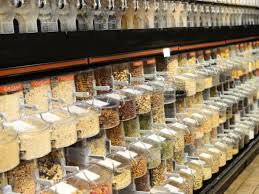
Are There Minimum Order Quantities For Wholesale Food?
There are also some cases where a minimum order quantity can be beneficial for both parties. For example, if a retailer is new to the industry and hasn’t proven its business model or product-market fit yet, it can be risky for it to invest in large inventory that might not sell. By shopping for a manufacturer with a low MOQ, the retailer can avoid the upfront investment and still gain access to great products that its customers love.
What is the best way to calculate ideal minimum order quantities for your business? It’s not always easy to know what the ideal MOQ should be because every business is different. Some have more complex MOQ rules that involve dollar amounts or finished products, while others have a simple MOQ that’s either an amount or a number of units.
Ultimately, the best way to determine your minimum order quantity is to test it out and see what works for you. While it may take some trial and error, by using a wholesale pricing software solution like Wholesale Suite, you can try out different MOQs to find the right ones for your business. Once you have your ideal quantity, you can then implement these requirements into your ecommerce platform so that your wholesale customers are aware of them upfront. This will reduce the chance of misunderstandings and friction between you and your customers, which can lead to bad experiences for everyone involved.
Wholesale suppliers typically offer a broader range of products than standard grocery stores. This variety allows restaurants to experiment with different ingredients and menu items, catering to diverse customer preferences. Additionally, purchasing wholesale gives restaurant owners the flexibility to try new trends and adapt their menus according to seasonal availability, enhancing their culinary offerings and customer satisfaction.